Leak Testing Standards for Insulated Water Bottles: What IP67 Actually Means in Practice
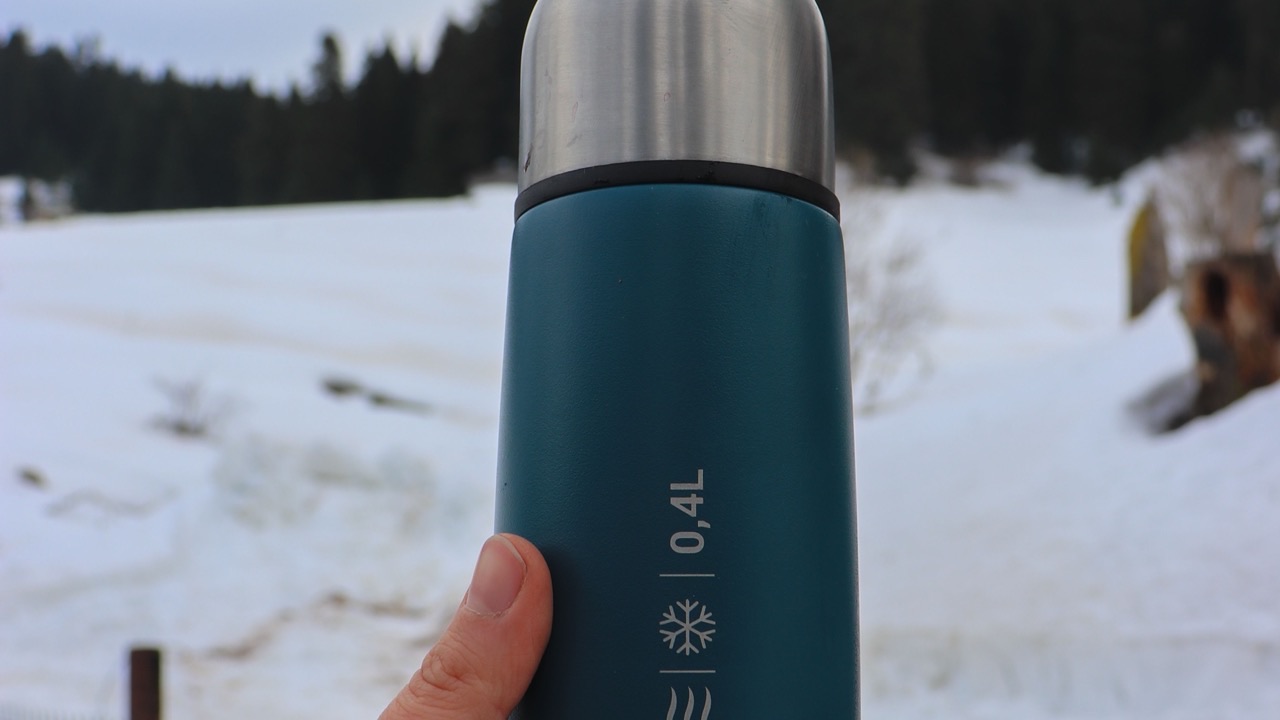
Water bottle marketing uses waterproofing language loosely. A product described as “leak-proof,” “splash-proof,” “waterproof,” or “IP67 rated” may describe anything from a lid that doesn’t drip when held upright to a bottle that can be submerged in a meter of water for thirty minutes. These are not the same thing, and the gap between them becomes apparent the moment a bottle ends up sideways in a bag or dropped into a puddle.
Understanding what leak protection claims actually mean — and how to evaluate them — matters for both retail buyers and wholesale purchasers sourcing product at volume.
What IP67 certifies and what it doesn’t
IP ratings are defined by IEC 60529. The first digit indicates dust protection; the second indicates liquid protection. IP67 means dust-tight and protected against immersion up to one meter deep for thirty minutes. The test is conducted with clean, still water at a specified temperature differential between the water and the device being tested.
For a water bottle, IP67 means the bottle can be submerged to one meter for thirty minutes without water ingressing into the interior. This is a meaningful standard for the specific test conditions: static immersion, controlled depth, controlled duration, fresh water.
What it doesn’t cover: continuous submersion beyond thirty minutes, immersion beyond one meter, moving water (a stream, a wave), water pressure from dropping into water from height, or repeated cycles of wetting and drying. It also says nothing about whether the lid stays sealed when the bottle is on its side, which is the most common failure mode in actual use — a bag, a cup holder, or a backpack side pocket.
The on-its-side failure is particularly significant because IP ingress testing doesn’t evaluate orientation-dependent leak performance. A bottle with a screw lid that passes IP67 static immersion testing can still leak when laid horizontally if the lid thread and seal geometry don’t perform under that load configuration. The IP rating doesn’t catch this.
Splash-proof versus leak-proof: a practical distinction
Most lidded water bottles with any form of seal are splash-proof by design — they resist water entering from above during normal use. This is a low bar. The lid just needs to cover the opening without gaps that would allow water to run in.
Leak-proof is a stronger claim: the bottle doesn’t allow liquid to exit when inverted or on its side. This requires the lid seal to hold under internal pressure from the liquid column above it. A silicone gasket compressed between the lid and the bottle mouth is the standard mechanism. The seal quality depends on the gasket material, the gasket geometry, the compression force from the lid thread, and how consistently these variables are controlled in manufacturing.
A bottle that is leak-proof when new may not remain leak-proof after six months of use. The silicone gasket takes a compression set over time — it doesn’t return to its original thickness after repeated compression and release cycles. A gasket that was adequately compressed at assembly may no longer seal when it’s thinner from wear. This is why leak-proof claims that specify “lifetime leak-proof guarantee” or similar language are more meaningful than claims with no service life qualifier.
Silicone versus TPE gaskets in dishwasher cycling
The sealing material choice affects long-term performance significantly. Silicone (VMQ) and thermoplastic elastomer (TPE) are both used as lid gaskets in insulated water bottles, and both feel similar when new. They behave differently under repeated heat cycling.
Silicone has excellent heat resistance — it maintains its mechanical properties at temperatures up to 200°C and beyond, far above dishwasher temperatures. Its compression set is low, meaning it retains most of its original thickness even after many compression cycles. It’s also chemically resistant to the detergents used in dishwasher formulations.
TPE is cheaper than silicone and easier to injection mold, which makes it attractive for cost-sensitive manufacturing. Its heat resistance is lower — typically rated to 100-120°C, which is within the range of dishwasher sanitizing cycles. Repeated dishwasher cycling accelerates compression set in TPE gaskets and can cause surface degradation that affects sealing performance. After 50-100 dishwasher cycles, a TPE gasket in a lid that wasn’t designed with appropriate compression margin may no longer seal reliably.
For wholesale insulated water bottles intended for the retail market, where buyers expect dishwasher compatibility and long service life, silicone gaskets are the appropriate specification. TPE gaskets can be acceptable in price-sensitive applications where dishwasher use is not expected or where the product lifecycle is short.
What to test before placing a volume order
Sample testing before a volume commitment should include leak performance under conditions that represent actual use, not just the static upright test that factory QC typically performs.
The minimum useful test set: fill the bottle to capacity, seal the lid, invert for thirty seconds, and check for any seepage at the lid-to-bottle interface and at any lid mechanism joints (hinge pins, straw ports, button seals). Then lay the bottle on its side for two minutes and repeat the check. Then shake vigorously for thirty seconds and check again. These three orientations cover the failure modes that generate most real-world complaints.
For lids with mechanical features — push-button releases, straw mechanisms, hinged spouts — test the leak performance with the mechanism both closed and in the partially-open state that can occur if the button is accidentally depressed. Many lid designs that seal correctly when fully closed leak through the mechanism when the button is in an intermediate position.
After the initial leak test, run ten dishwasher cycles if the product will be positioned as dishwasher-safe, then repeat the full leak test sequence. Degradation that appears after heat cycling rather than immediately is the most common gap between factory QC pass rates and field return rates.