The Case for Carrying Less: How a Slim Metal Wallet Changes Your Everyday Routine
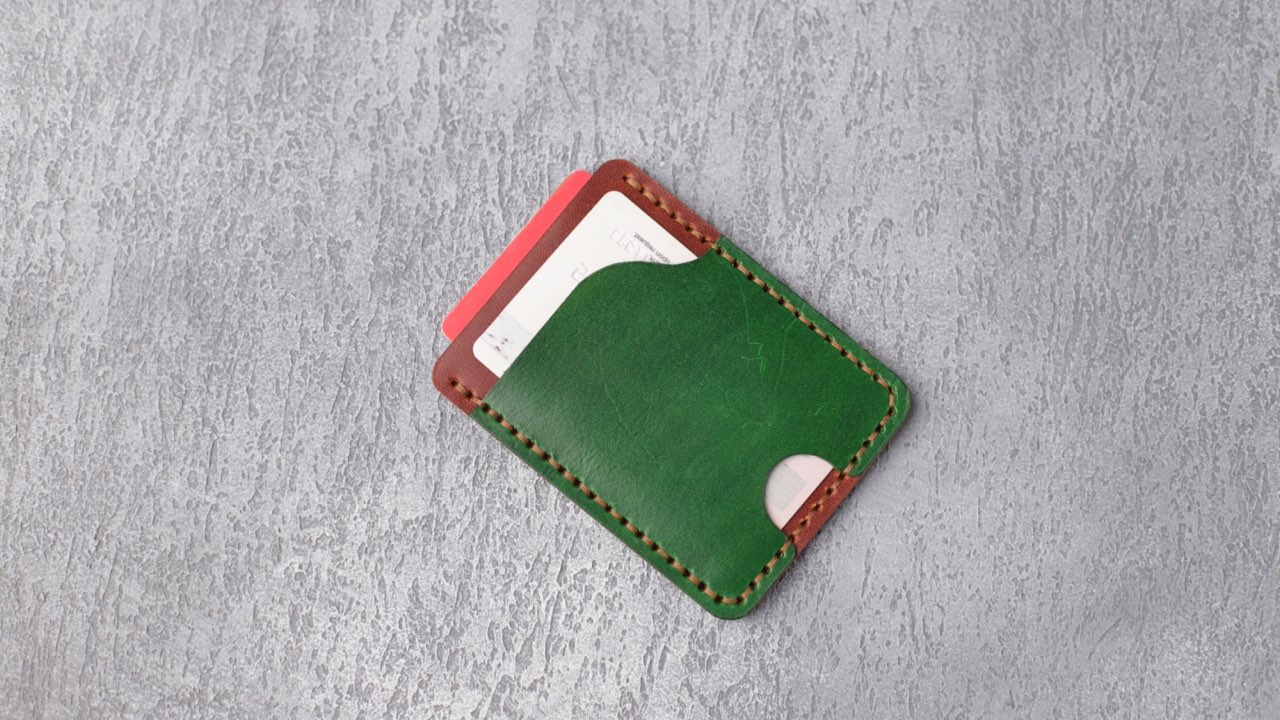
There’s a version of this that reads like an ad for minimalism, and I want to avoid that. This isn’t about a philosophy or a lifestyle brand. It’s about something more practical: what actually changes when the thing in your pocket goes from thick and heavy to thin and light, and whether those changes are worth anything in daily life.
I made the switch to a slim metal card wallet about a year ago, after my old bi-fold had reached the point where sitting on it was creating a noticeable lean. Seven cards, some receipts, a few loyalty cards I’d never once scanned, and cash I almost never used. The wallet itself was fine. The habit around it was the problem.
The First Week: It Feels Wrong
The initial adjustment period with a slim wallet is real, and most people don’t mention it. After years of a wallet that held everything with room to spare, the constraint of four to six card slots forces a decision I’d been avoiding: what do I actually need on me at any given time?
The first pass at editing down my cards took longer than expected. I kept reaching for cards I didn’t end up carrying, which told me something — I’d been carrying things as insurance against scenarios that almost never happened. A store card for a shop I visit twice a year. A backup debit card from an account I’d mostly stopped using. A rewards card for a coffee chain that had an app doing the same job.
Once I committed to the six cards that actually get used — two payment cards, ID, transport card, one store card, one card I genuinely use weekly — the weight disappeared. Not just from the wallet. From the back pocket entirely.
What Commuting Feels Like Differently
This is the one that surprised me most. A thinner profile in a back or front pocket sounds like a minor thing until you notice what it changes about how you move through transit systems and crowds.
Tapping a card through fabric when the wallet is thick creates a fumble almost every time — the wallet has to come all the way out, the right card has to be positioned, it goes back in. With a slim metal wallet holding the transport card in the easiest-access slot, I tap through barriers without breaking stride. It sounds trivial written down. Over a commute of three or four transit touchpoints a day, it adds up to something that feels noticeably smoother.
The security aspect changes too. A thin profile in a front pocket is harder to lift and easier to feel. I’m not suggesting everyone is at pickpocket risk on a daily commute, but knowing exactly where the wallet is and being able to feel it without reaching for it is a small baseline confidence that adds something.
Restaurant and Bar Situations
Pulling out a thick wallet to pay at a bar or split a dinner bill is one of those small social moments that’s slightly more awkward than it needs to be. The wallet comes out, it’s larger than the card you need, there’s a brief rummage. With a slim card holder, the card comes out in a single motion.
For people who pay primarily by card and rarely carry cash, the bi-fold format is solving a problem that doesn’t exist for them. The bulk is all storage for things that don’t need to be carried. A metal card wallet sized to what you actually use removes the bulk without removing the function.
The one real trade-off is cash. If you regularly carry notes, a metal-only card wallet forces a separate solution — a money clip, a front pocket, or accepting that cash goes loose. For people who almost never use cash, this is a non-issue. For people who use it regularly, it’s worth thinking about before switching.
The Durability Difference
Leather wallets have their own kind of longevity, but it’s a wearing-in kind — the leather softens and shapes to use over years. Metal wears differently. The finish scratches over time, particularly on brushed aluminum, which some people find appealing as a patina and others find less so. The structure doesn’t change. A metal wallet from three years ago holds cards the same way it did when new.
For the cardholder mechanics — the spring mechanism or friction fit that releases cards — quality matters considerably. A well-made mechanism stays consistent over thousands of uses. A cheap one loosens and starts letting cards fall out, or tightens and makes extraction difficult. This is one of the areas where spending more on a designer metal card wallet versus a budget version produces a real difference in the experience over time rather than just a difference in how it looks on day one.
The RFID blocking layer that comes standard on most metal card wallets is a genuine feature rather than marketing — the metal shell does attenuate signal naturally, and a properly rated liner adds a meaningful layer for tap-to-pay card protection in environments where you’re in close contact with RFID readers you didn’t initiate.
Six Months In: What Stayed, What Changed
The editing-down that happened in the first week became permanent. I haven’t gone back to carrying loyalty cards I don’t use. The muscle memory of which slot has which card developed faster than I expected — within a few weeks, I stopped thinking about it.
The front-pocket habit that came with the slimmer profile stuck. Sitting is more comfortable, and I don’t notice the wallet the way I used to.
The biggest thing that didn’t change: the wallet still gets in the way if I haven’t thought about what I’m actually carrying. A slim metal wallet with six cards I need is genuinely more functional than a thick wallet with twelve cards I might need. A slim wallet stuffed with cards until it barely closes is just a different shape of the same problem.
The carrying-less part is the work. The wallet just makes it easier to maintain once you’ve done it.